
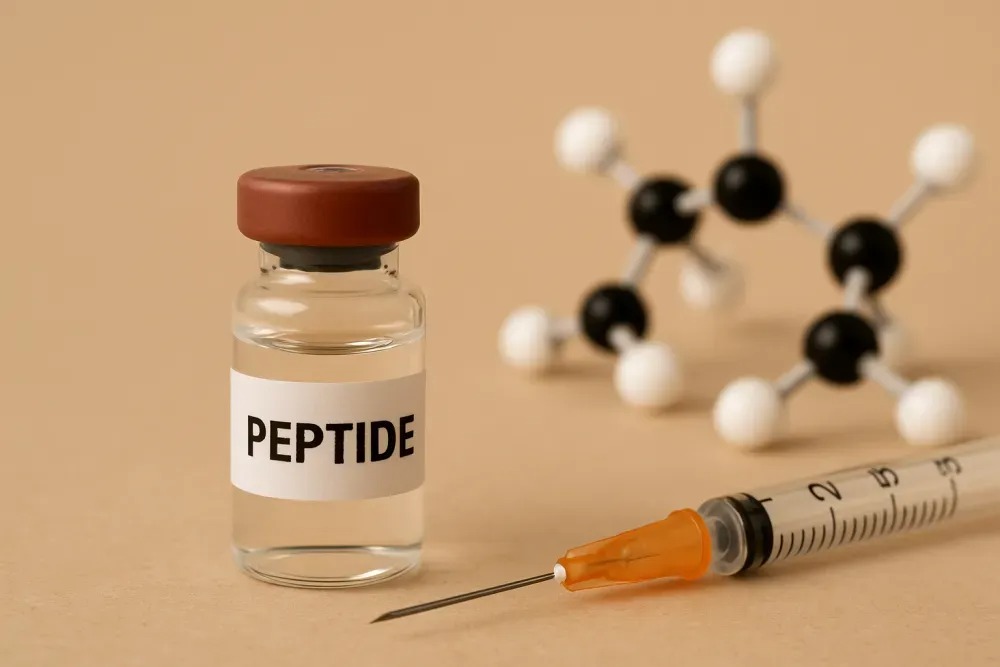
The phrase grey market peptides gets used frequently in fitness, biohacking, and medical communities, but what does it actually mean, and should you be concerned? This article provides a clear-eyed overview of the grey peptide market, its risks, and how to make safe, informed purchasing decisions.
What Does “Grey Market” Mean for Peptides?
A grey market refers to the trade of goods through legal but unofficial or unregulated channels. In the peptide world, grey market products are compounds that:
- Are not explicitly prohibited by law in your country
- May not be approved for human use but are not classified as illegal substances
- Are often sold under a “for research purposes only” designation to navigate regulatory ambiguity
- Exist outside the normal pharmaceutical supply chain, often with limited quality oversight
Why Do Grey Market Peptides Exist?
Regulatory frameworks for peptides vary enormously by country and evolve slowly relative to scientific advancement. Researchers, clinicians, and consumers often find that compounds with strong evidence bases remain unscheduled or unregulated, creating a legal window that grey market suppliers exploit. This is especially common with peptides such as BPC-157, TB-500, and various growth hormone secretagogues.
The Real Risks of Grey Market Peptides
Buying peptides from grey market sources carries a range of serious risks:
- Purity Issues: Unverified suppliers often cut costs during synthesis. Impure peptides can cause adverse reactions, allergic responses, or simply fail to deliver results.
- Incorrect Dosing: Mislabelled concentrations are common. You may receive a vial with far less or far more active compound than labelled.
- Contamination: Without sterile manufacturing facilities, microbial contamination is a real hazard for injectable compounds.
- Legal Risk: Even if a peptide is currently unscheduled, purchasing from unlicensed grey market sellers could expose you to legal complications if regulations change.
What to Look for in a Legitimate Peptide Supplier
Choosing premium peptides from a verified supplier is the most important decision you can make. Here’s what separates a reputable source from a grey market one:
- Third-Party CoAs: Every product should have a current Certificate of Analysis from an independent laboratory confirming purity and identity.
- Transparent Sourcing: A legitimate supplier will tell you where and how their peptides are synthesised.
- Professional Communication: Customer service should be responsive and knowledgeable, not evasive.
- Clear Labelling: Every product should include batch numbers, storage instructions, concentration, and expiry information.
At Global Peptides Official, we operate with full transparency. All of our peptide supplements are rigorously tested and come with comprehensive product documentation because your safety and results matter.
Should You Buy Grey Market Peptides?
The short answer: no. The marginal cost savings are not worth the risk to your health or legal standing. Whether you’re looking to buy peptides in Australia or internationally, always choose a reputable supplier with a verifiable track record. Visit globalpeptidesofficial.com to browse our range of verified, premium-grade peptide products.
FAQ: Are grey market peptides safe to use?
Not reliably. Without independent testing, you cannot confirm purity, dosage accuracy, or sterility. The risks outweigh the cost savings.
FAQ: How do I know if a peptide supplier is legitimate?
Look for third-party CoAs, clear product labelling, professional customer service, and transparent sourcing. Global Peptides Official meets all of these standards.